Get Acoustic Insulation Installation
Acoustic insulation installation services help property owners reduce noise transfer and improve privacy in projects like walls, ceilings, floors, and soundproofing upgrades.
Acoustic insulation installation can be an effective way to enhance comfort and privacy within a property. Whether aiming to reduce noise between rooms, improve sound quality in living or working spaces, or meet building standards, property owners in the area often explore this service as part of their planning process. Finding the right local contractors to handle these projects ensures that soundproofing solutions are tailored to specific needs and property layouts, making it a practical step for many types of properties.
As property owners consider options for acoustic insulation, comparing local service providers can help identify experienced contractors capable of delivering quality results. Exploring available choices allows for informed decisions based on the scope of the project and the expertise of local professionals. Keep reading to discover how connecting with qualified local contractors can support successful acoustic insulation installations tailored to individual property requirements.
- Residential buildings - homeowners seeking to reduce noise between rooms or from external sources may need acoustic insulation installation.
- Commercial offices - businesses looking to improve privacy and sound control in open-plan workspaces might require professional acoustic insulation services.
- Hotels and hospitality venues - establishments aiming to enhance guest comfort by minimizing sound transfer can benefit from local contractor expertise.
- Auditoriums and theaters - venues needing effective soundproofing solutions to optimize acoustics often turn to experienced service providers.
- Industrial facilities - factories and manufacturing plants that want to dampen machinery noise for safety and compliance may seek specialized acoustic insulation installation.
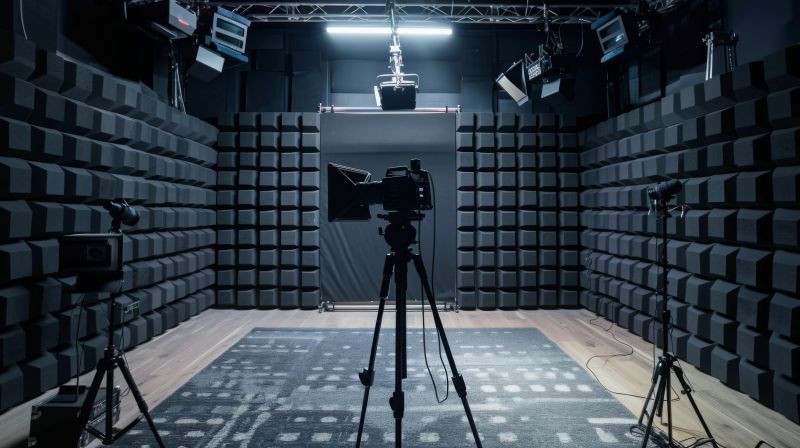
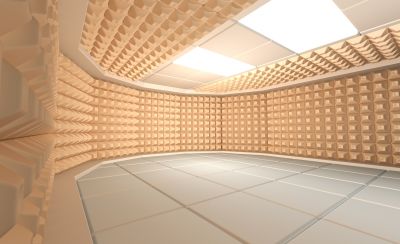
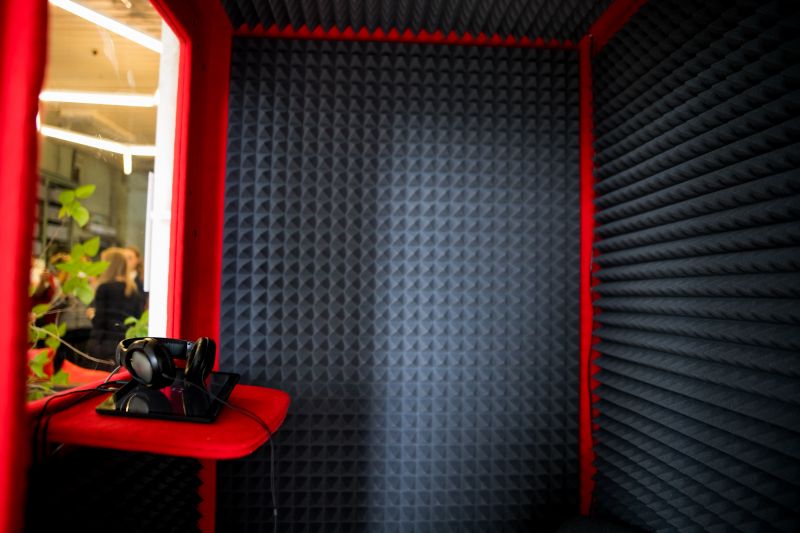
Acoustic insulation installation involves adding specialized materials to walls, ceilings, or floors to reduce sound transmission between rooms or from outside sources. This process typically includes placing insulation materials such as mineral wool, fiberglass, or foam within wall cavities, or attaching soundproofing panels to surfaces. The goal is to create a quieter indoor environment by minimizing noise disturbances, whether from external traffic, neighbors, or household activities. Professional installers ensure that the insulation is properly fitted and sealed to maximize soundproofing effectiveness.
This service helps address common problems related to noise pollution and privacy concerns within homes. It is especially useful in situations where sound travels easily through thin walls or open floor plans, making quiet spaces difficult to achieve. Acoustic insulation can also help block out external noises, such as traffic or construction sounds, providing a more peaceful living environment. Additionally, it can improve the acoustic quality of a space, reducing echo and reverberation in rooms like home theaters or music practice areas.
Properties that frequently benefit from acoustic insulation include multi-family buildings, such as apartments and condominiums, where shared walls can transmit sound between units. Single-family homes with open floor plans or thin wall construction may also require insulation upgrades to enhance privacy and comfort. Commercial spaces, like offices, recording studios, or entertainment venues, often use acoustic insulation to control sound levels and improve overall acoustics. In all cases, local contractors can assess the specific needs of each property and recommend suitable insulation solutions.
Homeowners who notice excessive noise, difficulty concentrating, or a lack of privacy may find acoustic insulation installation to be a valuable upgrade. It can also be a practical choice when renovating or finishing basements, attics, or interior walls to create quieter, more comfortable living spaces. By connecting with experienced service providers, property owners can explore options tailored to their property type and noise concerns, ensuring an effective and professional installation that enhances the overall comfort of the home.
The overview below groups typical Acoustic Insulation Installation projects into broad ranges so you can see how smaller, mid-sized, and larger jobs often compare in your area.
In many markets, a large share of routine jobs stays in the lower and middle ranges, while only a smaller percentage of projects moves into the highest bands when the work is more complex or site conditions are harder than average.
Smaller Repairs - Typical costs for minor acoustic insulation repairs or patchwork range from $250 to $600. Many routine jobs fall within this middle range, with fewer projects reaching higher amounts for more extensive work.
Standard Installations - Installing acoustic insulation in a single room or small area usually costs between $1,000 and $2,500. Local contractors often see most projects in this range, with larger or more complex setups pushing costs higher.
Whole-House Insulation - Full-home acoustic insulation installation can range from $4,000 to $8,000 or more. Many projects in this category fall into the middle to upper tiers, depending on the size of the property and material choices.
Large or Complex Projects - Larger, more intricate acoustic insulation jobs, such as commercial spaces or multi-room renovations, can reach $10,000 or higher. Such projects are less common but typically involve extensive planning and materials.
Actual totals will depend on details like access to the work area, the scope of the project, and the materials selected, so use these as general starting points rather than exact figures.
Soundproofing Projects - Local contractors skilled in soundproofing use similar insulation techniques to reduce noise transmission between rooms or from external sources.
Wall Insulation Installations - Installing insulation within walls requires comparable planning, tools, and materials as acoustic insulation to improve energy efficiency and sound control.
Ceiling and Attic Insulation - Attic and ceiling insulation projects involve similar skills in handling insulation materials and ensuring proper coverage for thermal and acoustic purposes.
Room Renovations - Renovation projects often include installing or upgrading insulation to enhance acoustic performance and overall comfort within interior spaces.
Home Theater Soundproofing - Creating a home theater involves specialized soundproofing techniques that rely on the same insulation skills used in acoustic insulation installation.
Floor Insulation Solutions - Installing floor insulation to minimize sound transfer between levels shares techniques and tools with acoustic insulation projects.
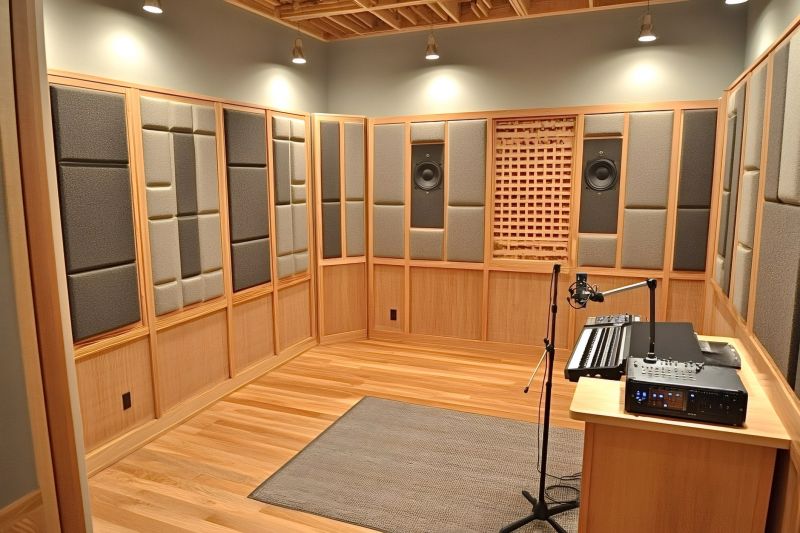
When evaluating potential service providers for acoustic insulation installation, it is important to consider their experience with similar projects. Homeowners should inquire about the types of spaces they have worked on and whether they have handled projects comparable in scope and complexity. An experienced contractor will have a better understanding of the specific challenges involved in acoustic insulation, ensuring that the work is performed effectively and meets the desired soundproofing goals. Checking for a history of successful projects in residential settings can help gauge their familiarity with local building conditions and common issues.
Clear written expectations are essential for a smooth project process. Homeowners should seek out service providers who can provide detailed descriptions of the work scope, materials to be used, and any relevant procedures. Having this information in writing helps prevent misunderstandings and ensures that both parties are aligned on the project’s goals. It’s also beneficial to clarify what the installation process involves and what the homeowner can expect during and after the work is completed, fostering transparency and confidence in the contractor’s approach.
Reputable references and strong communication skills are key indicators of a reliable contractor. Homeowners should ask for references from previous clients who had similar insulation work done and follow up to learn about their experience. Good communication throughout the project can help address questions and concerns promptly, making the process more manageable. While the site introduces homeowners to local options, it’s important to remember that the actual installation work is handled by experienced local contractors. Comparing these providers based on their experience, clarity in expectations, and reputation can help identify the best fit for acoustic insulation needs.
Property owners use Acoustic Insulation Installation services for practical projects around their homes and businesses. This guide focuses on everyday jobs and straightforward project options.

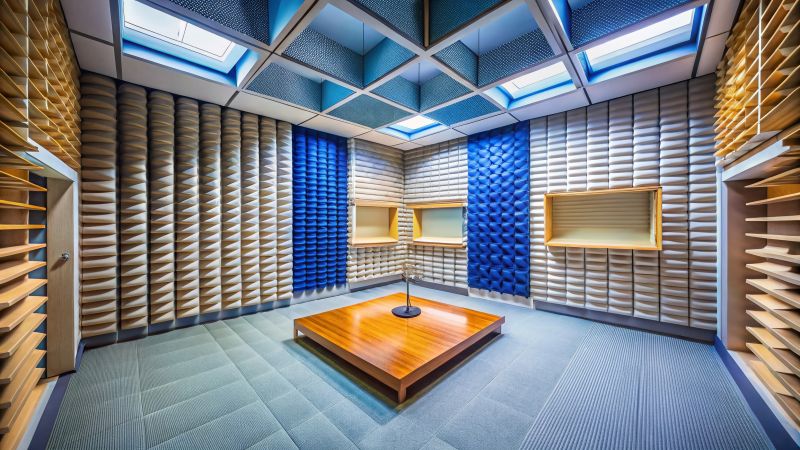
Acoustic insulation installation is a common project for property owners looking to reduce noise transfer between rooms or from external sources. Homeowners may seek these services when upgrading a basement, renovating a home office, or adding soundproofing to bedrooms to create a more peaceful living environment. Local contractors can provide solutions that help improve privacy and comfort, making everyday living spaces more enjoyable and functional.
In addition to residential spaces, businesses and commercial property owners often look for acoustic insulation services to enhance the acoustics within offices, conference rooms, or retail environments. Installing soundproofing can help minimize disturbances and create a more professional atmosphere. Local service providers are equipped to handle a variety of project sizes, offering tailored options to meet the specific needs of each property.
What is acoustic insulation installation? Acoustic insulation installation involves adding materials to walls, ceilings, or floors to reduce sound transmission between rooms or from outside sources.
How do local contractors determine the best insulation for a space? They assess the specific soundproofing needs of the area and recommend suitable insulation materials based on the environment and existing construction.
Can acoustic insulation be installed in existing walls? Yes, many service providers offer options for installing acoustic insulation in existing walls, often through methods like cavity or blown-in insulation.
What types of materials are used for acoustic insulation? Common materials include fiberglass, mineral wool, foam boards, and cellulose, each chosen based on effectiveness and application specifics.
How does acoustic insulation improve indoor comfort? It helps reduce noise transfer, creating quieter indoor spaces and enhancing overall comfort within a building.
Reduce Noise Between Rooms - Acoustic insulation can help minimize sound transfer between living spaces, creating a more peaceful environment at home.
Improve Privacy in Home Offices - Installing insulation can enhance soundproofing for remote work areas, making conversations less audible to others.
Enhance Comfort in Living Areas - Proper insulation can decrease noise from outside sources, making indoor spaces more comfortable and quieter.
Soundproof Home Theaters or Media Rooms - Acoustic insulation provides better sound control for dedicated entertainment spaces, improving the listening experience.
If you are thinking about Acoustic Insulation Installation for a property, this guide is meant to help you understand the work, the typical project types, and how different options might fit your plans.
When you are ready, you can use the quote form on this page to share a few details about your project. From there, local pros can review the basics and respond with options that match what you have in mind.